The store opens and headquarters knows.
The manager disarms the alarm with her own code. The opening time of each location is recorded, with no one calling to ask.


A stable network across your whole space, with guests kept apart from your own network.
See all solutionsSolutions
Internet and Wi-FiSmart camerasAccess controlAlarmsComfort and automationRadios and field teamsOperations centerMaintenance and supportFor your space
Companies and officesResidential buildingsStores and chainsIndustry and logisticsHotels and clinicsParking lotsSelf-service laundromatsHomesPrivate security companiesARX
Custom softwareHow we workToolsBlogClient areaTalk to ARX
The sale goes through, the stockroom opens only for those who should enter, and headquarters sees every location on one screen. The same standard, from the first store to the tenth.
ARX designs, installs and maintains the technology for retail stores and chains: internet with a second link so the register never stops, cameras at the entrance, registers and stockroom, an alarm that records opening and closing, access control, and sound, lights and air conditioning on a schedule. All on the same standard at every location.
Implementation: State of São Paulo: the capital, inland cities and the coastDesign and consulting: all of BrazilWe serve foreign companies that operate in Brazil
A full day in action
In a store that works, the customer only notices the service. The sale goes through, the window display lights up and the alarm arms without anyone thinking about it.
The manager disarms the alarm with her own code. The opening time of each location is recorded, with no one calling to ask.
The main link failed and the second took over on its own. At the register, no one noticed.
The storeroom door records who went in and when. If something is missing from inventory, there is somewhere to start.
There was a strange cancellation. The manager pulls the footage from that time, without watching the whole afternoon.
Cameras and alarms from every location appear on the same screen, with the same access and the same way of using it.
Sound, lights and air conditioning switch off at mall or street closing time. Closing is also recorded.
What tends to cause trouble
According to Abrappe, Brazilian retail lost R$ 42.1 billion in 2025, or 1.65% of revenue. When the difference shows up in the count, there is no longer a clue about where, when or how it happened.
Card and Pix depend on a connection. In an older street store, a kiosk or a mall with shared infrastructure, an outage becomes a line, a lost sale and a "cash only" sign on the door.
Each location was installed by a different person, with its own app and password. The cost shows up at the tenth store, when no one can see everything together or train the team the same way.
What ARX does here
From a one-off adjustment to a complete project. Each solution works on its own and gets better alongside the others.
Equipment
Examples. The final choice depends on your space and your budget.
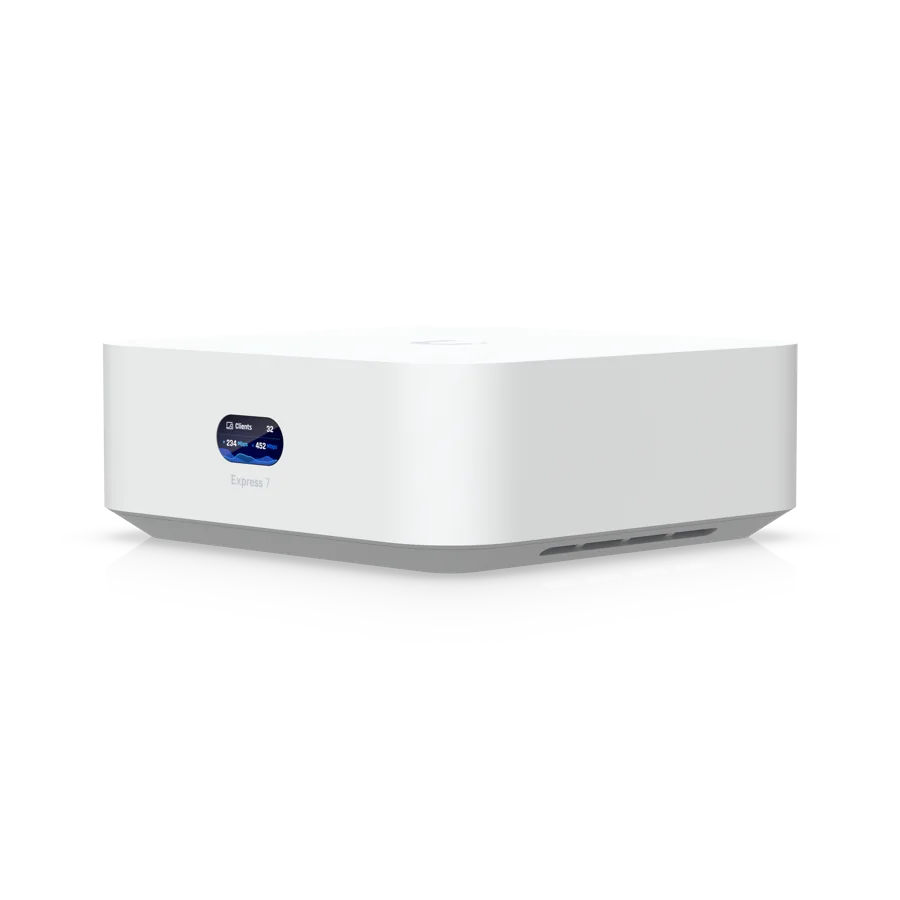
It's the front door of the internet: protects the network, separates visitors and already delivers Wi-Fi.
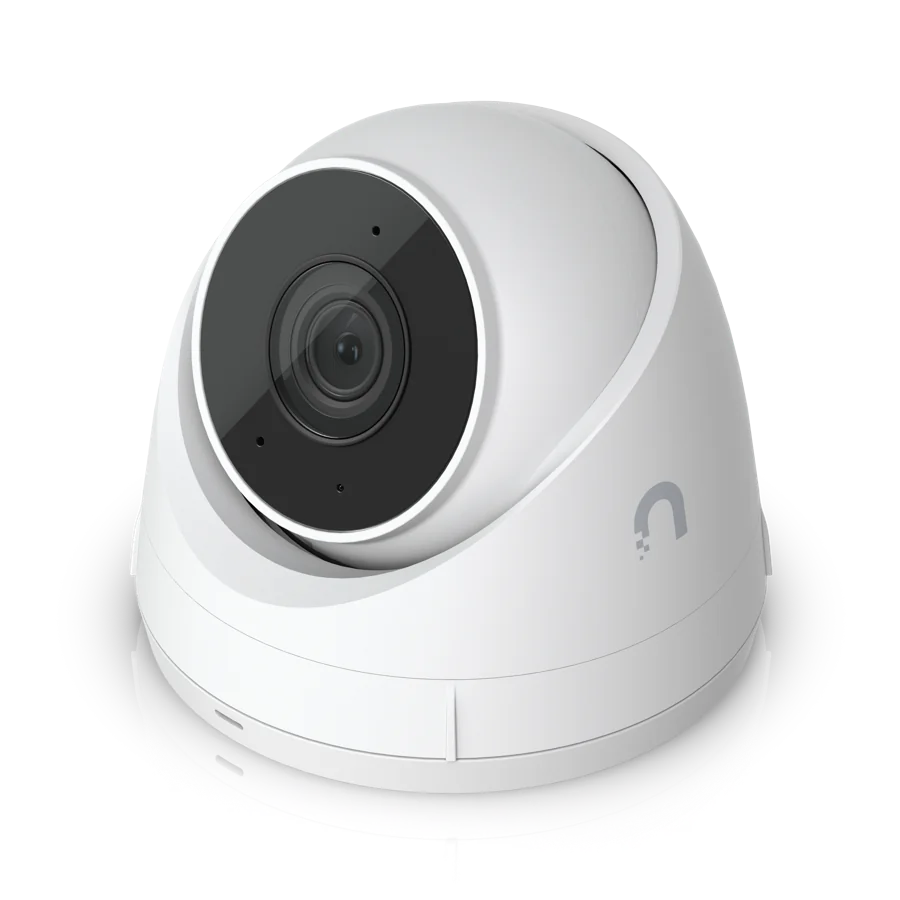
Discreet, for reception, hallways and covered entrances.
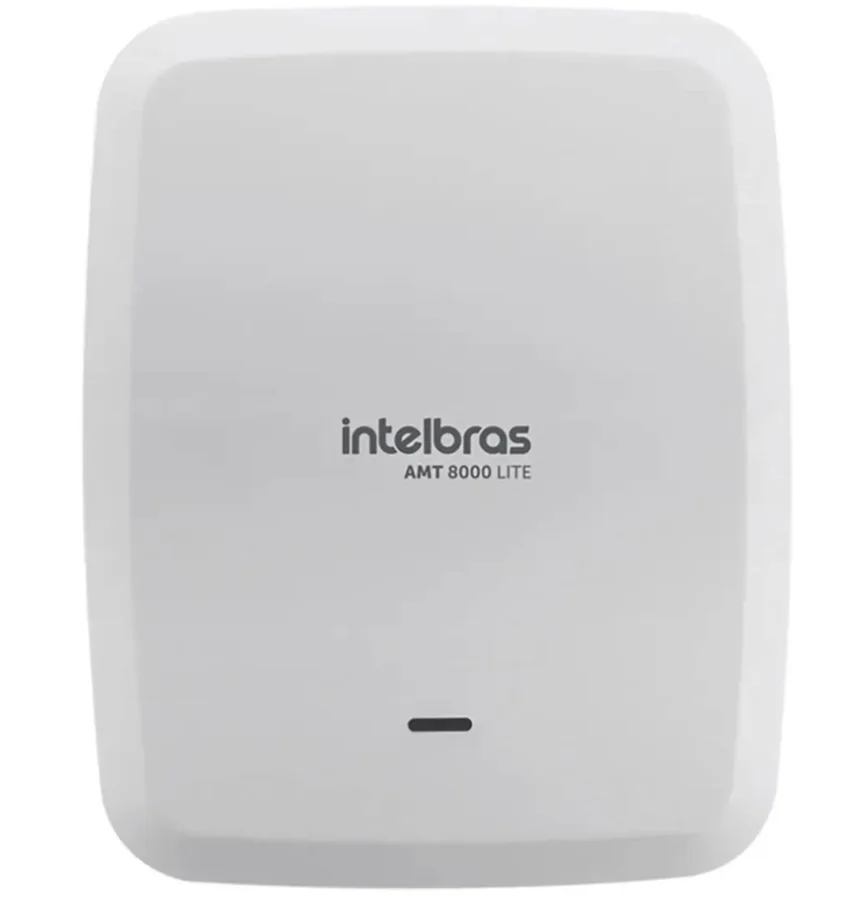
The brain of the alarm: it receives the sensors, separates the zones and alerts whoever needs to know.
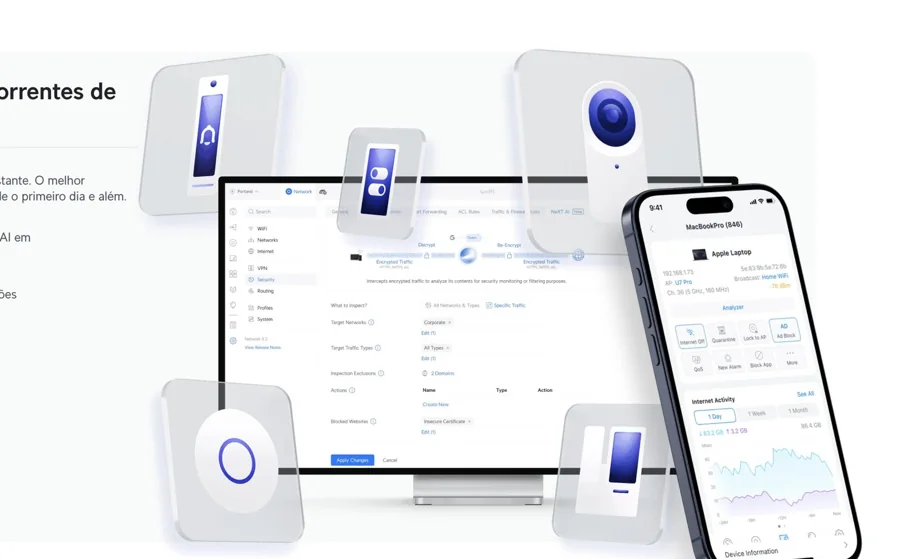
One screen to view and adjust the network, cameras and access, on a computer or phone.
What hardly anyone tells you
Retail loss also comes from expiration, breakage and receiving errors. Cameras help deter opportunistic theft and investigate what happened. Anyone who promises to end loss is overselling.
In a break-in, it is common for the recorder to be taken along. The recording needs to be kept in a protected place or have an off-site copy. Ask the supplier where the footage is stored if the equipment is taken.
This kind of analysis tends to generate many false alerts. Without someone to handle each alert, the store turns the feature off before long. People counting, queues and the stockroom door are more mature uses.
Rules and precautions
Post a notice that the premises are filmed: in the city of São Paulo, the sign is required by municipal law. Limit who sees the footage and set the retention period. In changing rooms and restrooms, never.
Card data passes through the register network. It should be isolated from the cameras and the customers' Wi-Fi, as the payment industry's security rules recommend.
Construction hours, cable routing and the fire system follow the development's rules. The design is built to respect that manual from the start, to avoid rework close to opening.
With a second link and automatic switchover, the store keeps selling: the backup connection takes over on its own. We design the register network separate from the customers' Wi-Fi and the cameras, so one doesn't bring down the other.
They help deter opportunistic theft and clarify what happened. They don't solve loss from expiration, breakage or receiving errors. The result depends on camera placement, on who follows the alerts and on the store's process.
Yes, when the locations follow the same equipment standard. Cameras, alarms and access appear in a single dashboard, with permissions by person: the manager sees her store, the regional manager sees the stores in the region.
We don't recommend it as a standard feature. Under the LGPD (Brazil's data protection law), a face is sensitive data, identification can be wrong and the store receives children and teenagers. The legal risk is high. There are less invasive ways to protect the store, and we start with those.
Installation is done in the State of São Paulo: the capital, the interior and the coast. For chains with locations in other states, we do design, consulting and retrofit design, which serve all of Brazil and define the standard to follow in each store.
Tell us what you want to solve. ARX replies clearly, with no obligation.
We use cookies to understand how the site is used and to measure our ads. You choose.