At the clinic, the patient record opens at the first appointment.
The network handles scheduling, patient records and test results at the same time. The waiting room Wi-Fi is a separate one, away from patient data.


A stable network across your whole space, with guests kept apart from your own network.
See all solutionsSolutions
Internet and Wi-FiSmart camerasAccess controlAlarmsComfort and automationRadios and field teamsOperations centerMaintenance and supportFor your space
Companies and officesResidential buildingsStores and chainsIndustry and logisticsHotels and clinicsParking lotsSelf-service laundromatsHomesPrivate security companiesARX
Custom softwareHow we workToolsBlogClient areaTalk to ARX
The guest wants Wi-Fi at the end of the hallway. The patient wants to be called right away and have their data protected. Neither wants to notice the technology.
ARX designs, installs and maintains the technology of hotels, inns, clinics and medical offices: Wi-Fi that covers every room and the waiting room, separate networks for guests, patients and administration, access control in restricted areas, cameras only where they belong and lighting and climate automation. The work is planned so as not to close off floors or interrupt appointments.
Implementation: State of São Paulo: the capital, inland cities and the coastDesign and consulting: all of BrazilWe serve foreign companies that operate in Brazil
A full day in action
Guests and patients judge a place by what works without friction. If the technology is right, they remember the service, not the Wi-Fi.
The network handles scheduling, patient records and test results at the same time. The waiting room Wi-Fi is a separate one, away from patient data.
The door releases based on each person's role and logs every entry. If something goes missing, there is somewhere to start.
A patient gets worked up. The receptionist presses a discreet button and the alert reaches those who can help, with the reception footage.
The guest's form was filled out before arrival. At reception, the internet responds and the key comes out valid only for that room.
Air conditioning and lights turn off when the room is empty and come back when someone enters. No staff member has to go around checking.
At the end of the hallway, the movie doesn't freeze. And one guest's devices can't see those in the next room.
What tends to cause trouble
The guest complains about the internet in the public rating, not at reception. And upgrading the plan doesn't fix it: the problem is in the number and position of the access points and the wired network behind them.
A clinic set up with a home router, test results and reception on the same network, a password stuck on the wall. After an attack, notifying patients and the data protection authority weighs as much as recovering the systems.
The hotel answers for the guest's luggage. The clinic, for the patient's record. Without a record of who opened each door and without footage of the common areas, there's no way to establish what happened.
What ARX does here
From a one-off adjustment to a complete project. Each solution works on its own and gets better alongside the others.
Equipment
Examples. The final choice depends on your space and your budget.
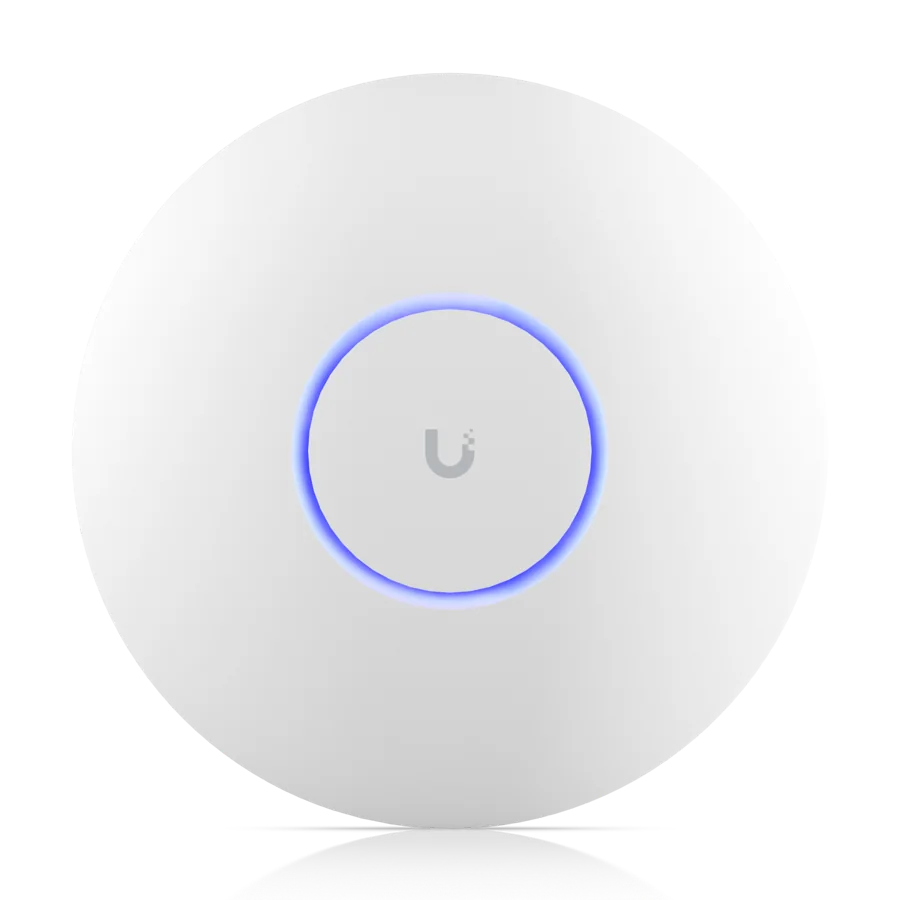
Spreads Wi-Fi throughout the space. Sits on the ceiling, discreet, and serves many people at once.
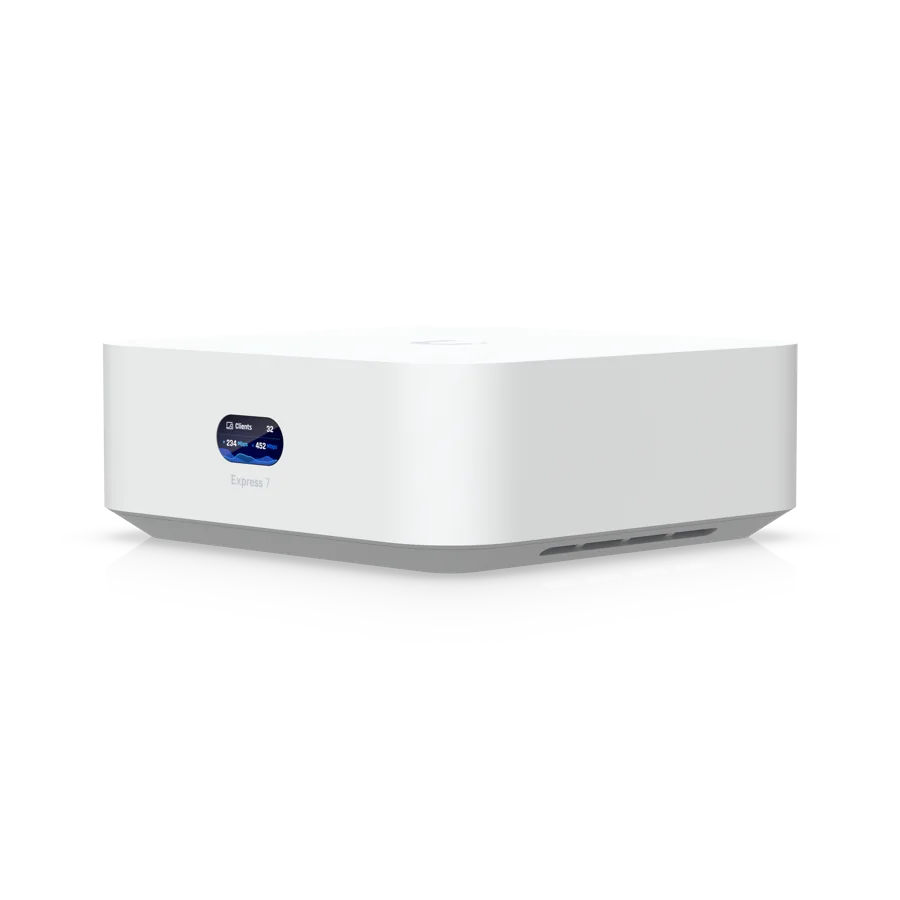
It's the front door of the internet: protects the network, separates visitors and already delivers Wi-Fi.
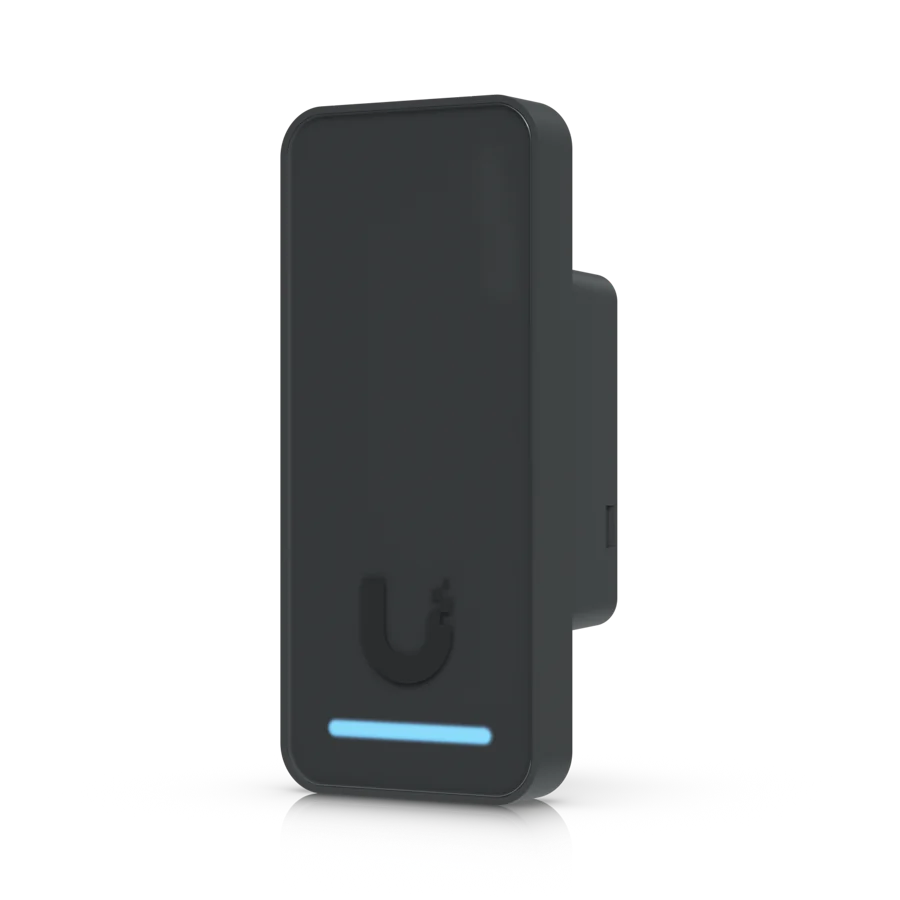
Opens the door with a card, tag or phone. Sits beside the door, almost invisible.
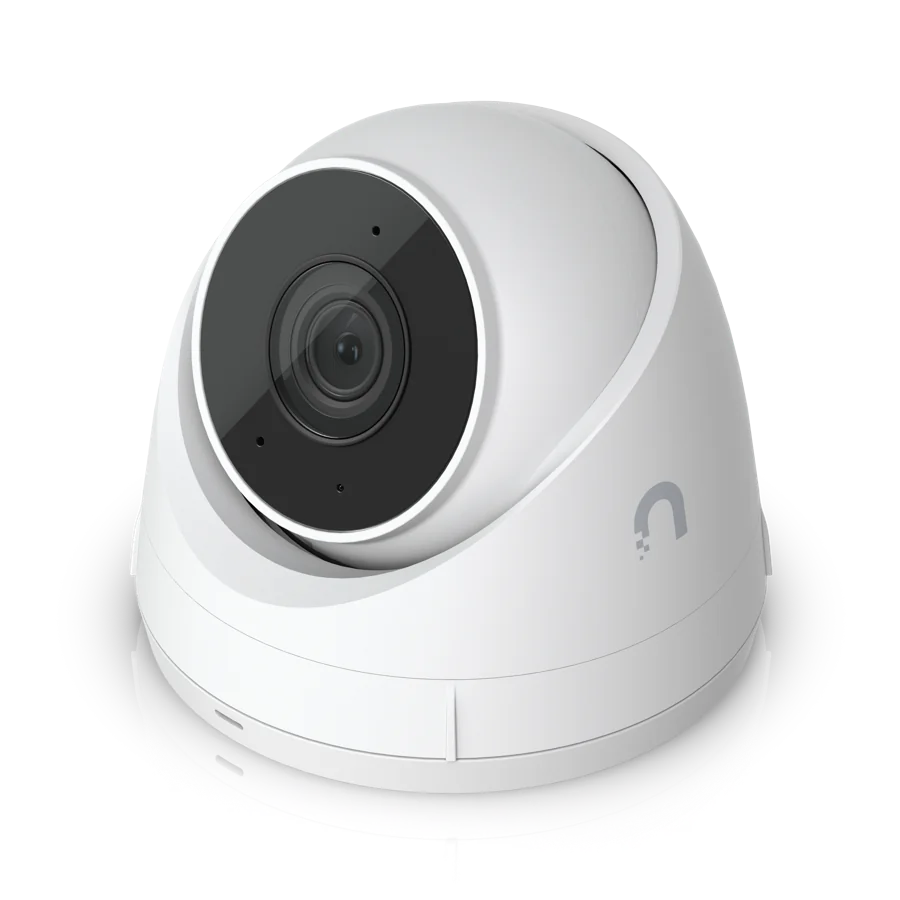
Discreet, for reception, hallways and covered entrances.
What hardly anyone tells you
If the signal doesn't reach the last room, more speed at the entrance changes nothing. What works is the right number of access points in the right places, with cable behind them. Ask for the coverage map before signing.
In 2024, researchers disclosed a flaw that allowed forging cards for a line of locks installed on millions of hotel doors. The fix required reprogramming door by door. Ask who updates yours, and how.
Medical councils advise cameras only in freely accessible areas, with notice. Inside the exam room, a camera creates an archive of patient images that no one wants to have to protect.
Rules and precautions
Under the LGPD (Brazil's data protection law), health information requires reinforced protection. In practice: a clinical network separate from the visitor network, access by individual, a tested backup and old medical equipment isolated from the rest.
Reception, hallways, garage, storage and common areas, always with notice. Never in a bedroom, restroom, locker room, exam room or consulting room, nor where the patient record screen appears in the image.
An electronic lock can't trap anyone: from the inside, it opens without a card or code. Doors and turnstiles on escape routes follow the Fire Department's rules and release in an emergency.
Because the contracted speed reaches reception, not the rooms. Walls, distance and many devices at once call for well-distributed access points connected by cable. We measure the signal room by room and show where coverage is missing before proposing any change.
It's not recommended. Medical councils advise that cameras be only in freely accessible areas, with notice to users, and never in exam rooms or consulting rooms. To protect staff there are discreet alternatives, such as a panic button at reception.
In most cases, yes. The work is planned in stages: one floor or wing at a time, during the quietest hours. Anything that requires shutting down the network is left for the early morning or a day with no appointments, agreed in advance.
By creating distinct networks: one for patient records and administration, one for exam equipment and another for visitors. Anyone using the waiting room Wi-Fi reaches only the internet. When the foundation is right, it's a configuration, not a construction job.
Implementation is done in the State of São Paulo: the capital, the countryside and the coast. Design, consulting and retrofit projects serve all of Brazil, which suits hotel and clinic chains with locations in other states.
Tell us what you want to solve. ARX replies clearly, with no obligation.
We use cookies to understand how the site is used and to measure our ads. You choose.